
Description
Buy Oxycodone Hydrochloride Powder Online – Wholesale Price
Buy oxycodone hydrocloride powder online used in the production of Oxycotin, Roxicodone, Oxaydo, Xtampza ER, and Generic Oxycodone IR. Our products are rigorously tested to ensure top-tier purity and reliability, making us a trusted vendor for professionals worldwide.
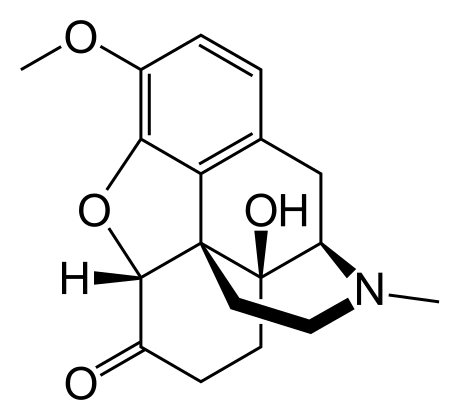
Product Technical Specifications: Oxycodone Hydrochloride (Analytical Reference Standard)
| Specification Parameter | Technical Standard / Details |
| Chemical Name | Oxycodone Hydrochloride; (5α)-14-hydroxy-3-methoxy-17-methyl-4,5-epoxymorphinan-6-one hydrochloride |
| CAS Number | 124-90-3 (Hydrochloride Salt); 76-42-6 (Free Base) |
| Molecular Formula | C18H21NO4.HCL |
| Molecular Weight | 351.82 g/mol |
| Purity Grade | 99.0% (Verified via HPLC, GC-MS, and H-NMR) |
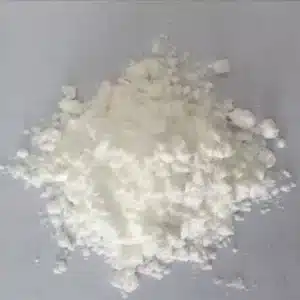
| Physical Appearance | Fine, white to off-white crystalline powder |
| Melting Point | Approximately 255°C (with decomposition) |
| Solubility Profile | Freely soluble in water (50 mg/mL); soluble in methanol (100 mg/mL); sparingly soluble in ethanol; insoluble in ether |
| pH (Aqueous Solution) | 3.0 – 4.0 (2.5% w/v solution) |
| Pharmacological Class | Semi-synthetic μ-opioid receptors agonist (Thebaine derivative) |
| Primary Research Applications | Analytical chemistry, forensic LC-MS/MS calibration, μ-opioid receptor binding kinetics, pharmacokinetic profiling |
| Storage & Stability | Store at 2°C to 8°C in a desiccated, light-resistant container under an inert nitrogen atmosphere (24+ months stability) |
| Regulatory Classification | Controlled Substance (Schedule II under international conventions; institutional license required) |
What is Oxycodone Hydrochloride?
Oxycodone Hydrochloride is a semi-synthetic opioid analgesic derived from the baine, an alkaloid found in the opium poppy (Papaver somniferum). It acts as a potent central nervous system stimulant on μ-opioid receptor (MOR) receptors, primary indicated for the management of moderate to severe acute and chronic pain when non-opioid medications are insufficient.
Primary Characteristics & Mechanism
-
Pharmacological Action: It binds predominantly to μ-opioid receptors in the central nervous system, altering the perception of and emotional response to pain. It also possesses secondary affinity for kappa and delta opioid receptors.
-
Chemical Structure: Formulated as a hydrochloride salt C18H21NO4.HCL to increase water solubility and oral bioavailability, which ranges from 60% to 87%.
-
Metabolic Pathway: Primarily metabolized in the liver via cytochrome P450 enzymes—predominantly CYP3A4 (converting it to noroxycodone) and CYP2D6 (converting it to oxymorphone, a highly active metabolite).
-
Clinical Forms: Available as immediate-release (IR) formulations for acute pain management and extended-release (ER) formulations for round-the-clock chronic pain control.
Safety & Regulatory Status
Because Oxycodone Hydrochloride carries a high potential for abuse, physical dependence, and addiction, it is strictly classified as a Schedule II controlled substance in most global jurisdictions. Common adverse effects include sedation, constipation, nausea, and dizziness. Severe overdose risks include respiratory depression, profound hypotension, and fatal CNS depression, which can be reversed using opioid antagonists like naloxone.
Frequency Ask Questions
What is the drug oxycodone used for?
Oxycodone is a potent semi-synthetic opioid prescription medication primarily used to treat moderate to severe acute and chronic pain. It works by binding to μ-opioid receptors in the central nervous system, altering how the brain and nervous system perceive and respond to pain signals.
Primary Medical Uses
- Severe Acute Pain
-
Post-Surgical Recovery: Pain management following major surgical procedures.
-
Trauma & Injury: Severe acute injuries, fractures, or tissue damage.
-
Medical Emergencies: Short-term relief for intense pain episodes when non-opioid treatments (like NSAIDs or acetaminophen) are ineffective or contraindicated.
-
- Chronic & Severe Pain
-
Oncology (Cancer Pain): Managing persistent, severe pain associated with advanced cancer or tumor progression.
-
End-of-Life & Palliative Care: Managing severe discomfort in terminal illness scenarios.
-
Non-Cancer Chronic Pain: Used selectively for severe, round-the-clock chronic pain conditions when alternative therapies have failed.
-
Formulation Types
-
Immediate-Release (IR): Takes effect quickly (within 15 to 30 minutes) and lasts 4 to 6 hours. Often prescribed for breakthrough pain or short-term post-procedural recovery.
-
Extended-Release (ER): Designed to release the medication slowly over 12 hours (e.g., OxyContin) to provide continuous, long-term pain control.
-
Combination Products: Frequently combined with non-opioid analgesics like acetaminophen (e.g., Percocet) or ibuprofen to enhance pain relief through dual mechanisms.
Key Risks & Side Effects
Because oxycodone alters central nervous system activity, it carries notable side effects and clinical risks:
-
Common Side Effects: Drowsiness, constipation, nausea, dizziness, and dry mouth.
-
Severe Risks: High potential for physical dependence, tolerance, and addiction. Overdose can lead to profound respiratory depression (slowed or stopped breathing), which can be fatal without immediate administration of an opioid antagonist like naloxone.
Is oxycodone hydrochloride the same as percocet?
No, oxycodone hydrochloride is not the exact same thing as Percocet, though oxycodone is the main active ingredient in Percocet.
Here is how they differ:
| Feature | Oxycodone Hydrochloride | Percocet |
| Composition | Single active ingredient (pure oxycodone HCl). | Combination medication containing oxycodone HCl and acetaminophen (Tylenol). |
| Purpose of Combination | Standard single-agent opioid analgesic. | Acetaminophen acts synergistically with oxycodone to boost pain relief while allowing for a lower opioid dose. |
| Dosing Limit Factor | Limited primarily by opioid side effects (sedation, respiratory depression). | Strictly limited by the acetaminophen content to prevent liver toxicity (maximum 4,000 mg of acetaminophen per day from all sources). |
| Forms | Available as stand-alone immediate-release (IR) tablets, liquids, or extended-release (ER) forms like OxyContin. | Available only as immediate-release tablets in various strength ratios (e.g., 2.5 mg/325 mg, 5 mg/325 mg, 7.5 mg/325 mg, 10 mg/325 mg). |
Is oxycodone an opioid?
Yes, oxycodone is an opioid.
Specifically, it is a semi-synthetic opioid, meaning it is manufactured in a laboratory by synthesizing the natural alkaloid thebaine, which is extracted from the opium poppy (Papaver somniferum).
How It Classifies
-
Pharmacological Class: Opioid receptor agonist.
-
Mechanism: It selectively binds to mu-opioid receptors in the brain and spinal cord, blocking pain signals transmitted by the central nervous system.
-
Related Substances: It belongs to the same chemical and pharmacological family as natural opiates (like morphine and codeine) and synthetic opioids (like fentanyl).
Does oxycodone make you sleepy?
Yes, oxycodone frequently causes sleepiness and drowsiness.
Because oxycodone is a central nervous system (CNS) depressant, it slows down brain activity while blocking pain signals. Drowsiness, sedation, and fatigue are among its most common side effects, especially when first starting the medication or after a dose increase.
Why It Causes Sleepiness
-
CNS Depression: Oxycodone binds to $\mu$-opioid receptors in the brain, reducing the activity of neurons that regulate alertness and wakefulness.
-
Synergistic Risks: Combining oxycodone with other CNS depressants—such as alcohol, benzodiazepines, muscle relaxants, or sedating antihistamines—compounds this effect, causing severe drowsiness, profound sedation, or dangerous respiratory depression.
Essential Safety Precautions
-
Avoid Driving or Machinery: Do not drive, operate heavy machinery, or perform tasks requiring mental alertness until you know how oxycodone affects you.
-
Avoid Alcohol: Alcohol drastically increases the sedating effects of oxycodone and significantly raises the risk of accidental overdose.
-
Monitor Severe Lethargy: While mild to moderate sleepiness is normal, extreme difficulty staying awake, slurred speech, or shallow breathing are signs of excessive dosing or toxicity that require immediate emergency medical attention.
How much oxycodone is too much?
There is no single universal dose of oxycodone that is considered “too much,” because tolerance varies significantly between individuals. A standard therapeutic starting dose for an opioid-naive adult (someone who does not regularly take opioids) is typically 5 mg to 15 mg of immediate-release oxycodone every 4 to 6 hours.
For an opioid-naive person, taking 20 mg to 40 mg or more in a single dose can lead to severe toxicity or a life-threatening overdose. Conversely, patients with advanced cancer or chronic pain who have built significant opioid tolerance over months or years may be prescribed much higher daily doses under strict medical supervision.
Factors That Determine Toxicity
-
Opioid Tolerance: The body adapts to opioids over time. A dose that is safe for a tolerant chronic pain patient can be fatal to someone taking oxycodone for the first time.
-
Formulation Type: Accidental chewing, crushing, or breaking of extended-release (ER) tablets (like OxyContin) releases 12 hours of medication all at once (“dose dumping”), which can cause a rapid, lethal overdose.
-
Combining with Other Substances: Taking oxycodone alongside alcohol, benzodiazepines (e.g., Xanax, Valium), sleep aids, or muscle relaxants drastically lowers the fatal threshold. Most toxicities occur due to multi-substance CNS depression rather than oxycodone alone.
-
Individual Physiology: Age, weight, kidney function, liver health (CYP3A4/CYP2D6 metabolism), and underlying respiratory conditions (like sleep apnea or COPD) significantly affect how the drug is processed.
Signs of an Oxycodone Overdose
An overdose is a medical emergency characterized by the “Opioid Triad”:
-
Pinpoint Pupils: Extreme constriction of the pupils.
-
Unconsciousness: Unresponsiveness or inability to wake up.
-
Severe Respiratory Depression: Abnormally slow, shallow, or stopped breathing, often accompanied by pale, blue, or clammy skin and fingernails (cyanosis).
Emergency Action: If an opioid overdose is suspected, call emergency services immediately (e.g., 911) and administer Naloxone (Narcan) if available. Naloxone temporarily reverses opioid toxicity and restores normal breathing.
Why Buy Oxycodone Hydrochloride from China Chem Supplies
Price: We sale at the best possible price you will find online, that is because we supply at wholesale prices.
Purity: Guaranteed COA 98%-99% Pure Powder. We accept sample order quantity for testing
Transparency: Buying from us is clear and hassle-free. Simply add your items to the cart and complete checkout. As soon as your payment is confirmed, we will send you a tracking link so you can follow your order every step of the way.
Fast Shipping: We process and dispatch your orders promptly to ensure minimal wait times. Every shipment is carefully packaged and shipped via trusted carriers with real-time tracking, so you receive your items quickly and safely.
Product Availability: We maintain clear, real-time inventory updates so you can order with confidence. If an item is listed as available, it is in stock and ready to be processed for immediate dispatch.
Reviews
There are no reviews yet.