China-based chemical sourcing & supplyinfo@chinachemsupplies.com

Amphetamin (Speed, Pep, Amphe): Wirkung, Risiken und Fakten

2 fluoroamphetamine powder

Was ist Amphetamin (Speed/Pep)? Erfahren Sie auf einen Blick mehr über seine Wirkungen, Nebenwirkungen und Risiken sowie darüber, wie Sie Amphetamin online kaufen können.

Einleitung

Amphetamin, im Alltag oft als Speed, Pep oder Amphe bezeichnet, gehört zu den bekanntesten Stimulanzien in Deutschland. Die Substanz wirkt direkt auf das zentrale Nervensystem und verändert die Aktivität wichtiger Neurotransmitter im Gehirn. Dieser Artikel erklärt die Amphetamin Wirkung, mögliche Nebenwirkungen sowie gesundheitliche Risiken auf wissenschaftlicher Basis.

Was ist Amphetamin (Speed, Pep, Amphe)?

Amphetamin ist eine synthetische Substanz, die als starkes Stimulans wirkt. In Deutschland wird es häufig in Pulverform gehandelt und konsumiert.
Typische Merkmale:

  • Stimuliert das zentrale Nervensystem
  • Wird meist als „Speed“ oder „Pep“ bezeichnet
  • Wirkung abhängig von Reinheit und Zusammensetzung

Amphetamin Wirkung im Gehirn

  • Die Amphetamin Wirkung im Gehirn basiert auf der Erhöhung bestimmter Botenstoffe:
  • Dopamin
  • Steigert Motivation und Belohnungsgefühl
  • Kann Euphorie auslösen
  • Noradrenalin
  • Erhöht Wachsamkeit und Energie
  • Aktiviert das Stresssystem
  • Serotonin
  • Beeinflusst Stimmung und Emotionen (in geringerem Maße)

Diese Kombination erklärt, warum Amphetamin kurzfristig leistungssteigernd wirkt.

Kurzfristige Wirkung von Speed

  • Positive Effekte (subjektiv)
  • Mehr Energie und Wachheit
  • Gesteigerte Konzentration
  • Vermindertes Hungergefühl
  • Häufige Nebenwirkungen
  • Unruhe und Nervosität
  • Schlaflosigkeit
  • Erhöhter Puls und Blutdruck

Risiken und Nebenwirkungen von Amphetamin

  • Die Risiken von Speed (Amphetamin) werden oft unterschätzt.
  • Kurzfristige Risiken
  • Angstzustände und Paranoia
  • Überhitzung (Hyperthermie)
  • Kreislaufprobleme
  • Langfristige Folgen
  • Abhängigkeit (Suchtentwicklung)
  • Depression und Angststörungen
  • Gedächtnis- und Konzentrationsprobleme

Reinheit und Streckstoffe

  • Ein großes Problem bei illegalem „Speed“ in Deutschland ist die schwankende Qualität.
  • Häufige Streckstoffe:
  • Koffein
  • Zucker oder andere Füllstoffe
  • Andere synthetische Substanzen

Zuerst überrascht dich die Stille. Die innere Unruhe – die tausend „Was wäre wenn“-Gedanken und die mentalen Einkaufslisten – verschwindet einfach. Du spürst eine seltsame, kühle Schwerelosigkeit in deinen Gliedern. Dein Brustkorb fühlt sich weit an, deine Haltung richtet sich auf, und du spürst ein ungewöhnliches, angenehmes Kribbeln am Hinterkopf, als würde dein Gehirn an eine Hochspannungssteckdose angeschlossen.

Du willst nicht einfach nur etwas tun; du spürst einen evolutionären Drang, es auszuführen. Du nimmst einen Stift zur Hand, und das Schreiben fühlt sich an wie das Wichtigste, was du je getan hast. Jedes Wort ist das „richtige“ Wort. Jede Idee ist ein Durchbruch. Du spürst einen Schub an tiefer Kompetenz, das Gefühl, endlich die Version von dir selbst geworden zu sein, die du immer sein solltest. Im Umgang mit anderen wirkst du charismatisch. Du sprichst mit rasender Präzision, deine Gedanken sind deinem Mund fünf Schritte voraus, und du meisterst Gespräche, die dich früher völlig erschöpft haben, mit Bravour.

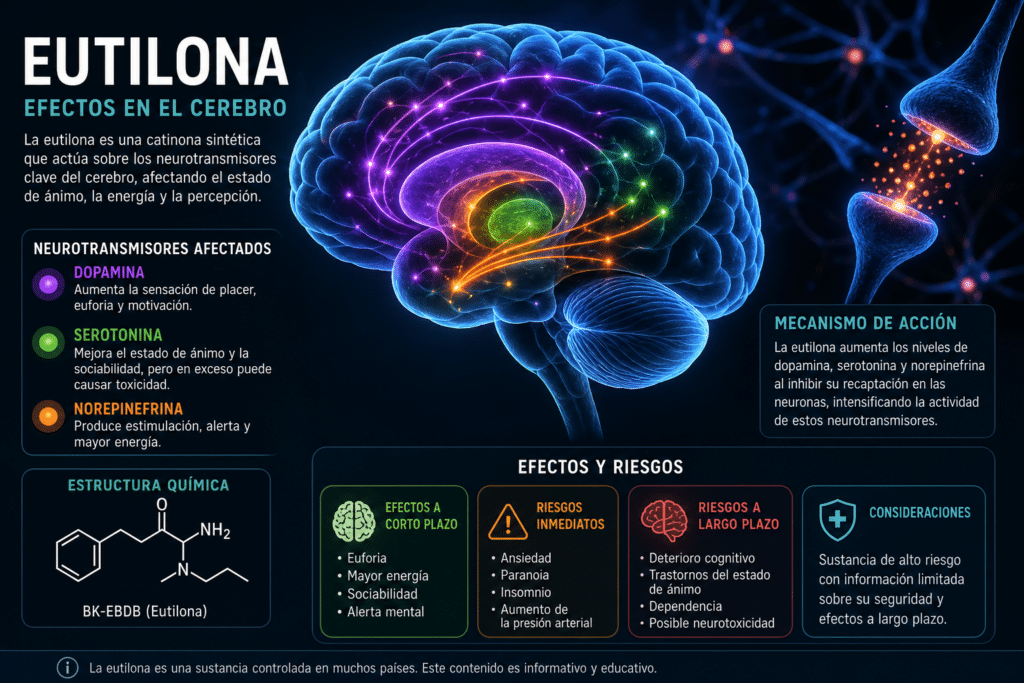
Eutilona: Efectos neuroquímicos, mecanismos e impacto cerebral

eutilona efectos en el cerebro

Introducción: Eutilona Efectos En El Cerebro

La eutilona es una sustancia psicoactiva sintética perteneciente a la clase de las catinonas, a menudo denominada “estimulante sintético”. Estructuralmente relacionada con compuestos derivados de la planta de khat, la eutilona forma parte de un grupo más amplio, a veces llamado “drogas de diseño”, lo que significa que se modifica químicamente para imitar los efectos de estimulantes ya conocidos. Para comprender sus efectos en el cerebro, es necesario examinar su interacción con sistemas clave de neurotransmisores y sus consecuencias neurobiológicas más amplias.

Qué es la eutilona?

La eutilona (también conocida como bk-EBDB) es una catinona sintética químicamente relacionada con compuestos como la metilona y la etilona. Estas sustancias suelen diseñarse para producir efectos estimulantes y entactógenos (que potencian la empatía), similares a los asociados con otras drogas psicoactivas.

Desde el punto de vista farmacológico, la eutilona actúa principalmente como modulador del transportador de monoaminas, influyendo en la actividad de neurotransmisores como la dopamina, la serotonina y la noradrenalina.

Mecanismo de acción en el cerebro

1. Activación del sistema dopaminérgico

La eutilona aumenta los niveles extracelulares de dopamina al interactuar con los transportadores de dopamina (DAT). La dopamina es fundamental en el sistema de recompensa del cerebro, especialmente en regiones como el núcleo accumbens.

  • El aumento de dopamina contribuye a la euforia y la motivación
  • La sobreestimulación puede alterar el procesamiento normal de recompensas
  • La exposición crónica puede provocar disregulación dopaminérgica, afectando el estado de ánimo y la conducta

2. Modulación de la serotonina

La eutilona también influye en los transportadores de serotonina (SERT), aumentando los niveles de serotonina en la sinapsis.

  • La serotonina está asociada con la regulación del estado de ánimo, las emociones y la conducta social
  • Su aumento puede generar sensaciones de empatía o apertura emocional
  • Sin embargo, niveles excesivos pueden causar toxicidad serotoninérgica, especialmente en combinación con otras sustancias

3. Liberación de norepinefrina

Al afectar los transportadores de norepinefrina (NET), la eutilona eleva los niveles de esta sustancia.

  • Provoca mayor alerta y activación
  • Estimula el sistema nervioso simpático, aumentando la frecuencia cardíaca y la presión arterial
  • La estimulación prolongada puede generar ansiedad y estrés cardiovascular

Efectos a corto plazo en la función cerebral

Efectos cognitivos y emocionales

  • Aumento temporal de la alerta y la concentración
  • Mayor sociabilidad o sensibilidad emocional
  • Reducción de la fatiga

Riesgos neurológicos

  • Deterioro en la toma de decisiones debido a la sobreestimulación
  • Ansiedad, agitación o paranoia
  • Alteración del ciclo sueño-vigilia

Potencial neurotóxico

Una de las principales preocupaciones con las catinonas sintéticas como la eutilona es la neurotoxicidad, especialmente con el uso repetido o en altas dosis.

Estrés oxidativo

El exceso de neurotransmisores puede generar especies reactivas de oxígeno (ROS), que dañan las neuronas.

Neuroinflamación

La estimulación prolongada puede desencadenar respuestas inflamatorias en el cerebro, contribuyendo a posibles deterioros cognitivos.

Daño serotoninérgico

El uso excesivo puede afectar las neuronas serotoninérgicas, alterando la regulación del estado de ánimo a largo plazo.

Implicaciones a largo plazo en el cerebro

Aunque la investigación específica sobre la eutilona es limitada, estudios sobre catinonas similares sugieren posibles efectos duraderos:

  • Déficits cognitivos (memoria, atención)
  • Trastornos del estado de ánimo (depresión, ansiedad)
  • Riesgo de dependencia y adicción, asociado a alteraciones en el sistema dopaminérgico
  • Cambios estructurales y funcionales en regiones cerebrales relacionadas con la emoción y la recompensa

Comparación con otros estimulantes

La eutilona comparte similitudes con otras catinonas sintéticas y estimulantes, aunque su perfil puede variar:

  • Puede presentar efectos menos predecibles que los estimulantes tradicionales
  • Mayor variabilidad en la respuesta, lo que incrementa los riesgos
  • La falta de estudios clínicos limita la comprensión de su seguridad a largo plazo

Consideraciones de salud pública y seguridad

Desde una perspectiva de salud pública, la eutilona presenta varios desafíos:

  • Ausencia de dosificación estandarizada
  • Alto riesgo de adulteración o etiquetado incorrecto
  • Aumento de efectos adversos reportados en entornos médicos

En muchos países, la eutilona está clasificada como sustancia controlada debido a estos riesgos.

Conclusión

La eutilona actúa en el cerebro modificando los sistemas de neurotransmisores —dopamina, serotonina y norepinefrina— produciendo efectos estimulantes y alteraciones del estado de ánimo a corto plazo. Sin embargo, estos efectos están asociados con riesgos neurológicos significativos, incluyendo neurotoxicidad, deterioro cognitivo y alteraciones en el funcionamiento cerebral.

Dada la limitada investigación disponible y la variabilidad de sus efectos, la eutilona sigue siendo una sustancia de preocupación en los ámbitos de la neurociencia y la salud pública. Se requieren más estudios para comprender plenamente su impacto a largo plazo.

From Rave Culture to Clinical Trials: The Evolving Science of MDMA

MDMA (3,4-methylenedioxymethamphetamine), commonly known as “ecstasy” or “molly,” is a synthetic compound with stimulant and hallucinogenic properties. First synthesized in the early 20th century, MDMA rose to prominence in the 1980s as a recreational drug but has since attracted significant scientific interest for its potential therapeutic applications.

How MDMA Works: The Psychopharmacology

MDMA primarily affects the brain’s neurotransmitters, especially:

  • Serotonin: MDMA causes a large release of serotonin, which elevates mood and produces a sense of well-being and empathy.
  • Dopamine and Norepinephrine: These neurotransmitters are also released, contributing to increased energy, alertness, and pleasure.

The unique combination of these effects can lead to:

  • Enhanced emotional openness
  • Increased sociability and empathy
  • Heightened sensory perception
  • Reduced fear and defensiveness

Psychopharmacological Results: Human Trials and Effects

1. Acute Effects

Clinical studies and controlled trials have shown that MDMA can:

  • Increase positive mood and emotional closeness
  • Promote prosocial behavior and reduce social anxiety
  • Cause mild to moderate increases in blood pressure and heart rate

2. Therapeutic Potential

Recent human trials, particularly those overseen by organizations like MAPS (Multidisciplinary Association for Psychedelic Studies), have focused on MDMA-assisted psychotherapy for:

  • Post-Traumatic Stress Disorder (PTSD): Multiple studies have demonstrated significant symptom reduction in participants with treatment-resistant PTSD.
  • Anxiety Associated with Terminal Illness: MDMA has shown potential to reduce anxiety and improve quality of life for patients with life-threatening conditions.
  • Relationship Counseling: Early-stage research suggests that MDMA may enhance communication and intimacy in couples therapy.

3. Risks and Side Effects

While MDMA has promise, trials also highlight potential risks:

  • Short-term risks: Jaw clenching, dehydration, insomnia, and increased heart rate
  • Long-term risks: Neurotoxicity (in high or repeated doses), possible mood disturbances, and memory impairment

All current clinical trials use strict protocols and medical supervision to minimize these risks.

Future Possibilities: Where Are Human Trials Heading?

1. MDMA-Assisted Psychotherapy Approval

MDMA is currently in Phase 3 clinical trials for PTSD treatment. If these trials continue to show safety and efficacy, MDMA-assisted therapy could become an approved medical treatment in several countries within the next few years.

2. Expanding Therapeutic Uses

Ongoing and future studies are exploring MDMA’s potential in treating:

  • Depression
  • Social anxiety in autistic adults
  • Eating disorders
  • Substance use disorders

3. Improving Protocols and Safety

Researchers are working to:

  • Develop standardized dosing and therapeutic protocols
  • Refine screening and monitoring for participants
  • Understand long-term outcomes and optimal follow-up care

Final Thoughts

The psychopharmacology of MDMA reveals a substance with both powerful effects and significant potential for therapeutic use. Human trials have already demonstrated encouraging results, especially for PTSD treatment, with future applications under active investigation. As research continues, MDMA could play an increasingly important role in mental health care—provided its use is guided by science, safety, and ethical considerations.

Mephedrone (4-MMC) Powder: What Australians Need to Know

Mephedrone, also known as 4-methylmethcathinone or 4-MMC, is a synthetic stimulant belonging to the cathinone class, structurally related to compounds found in the khat plant. Commonly referred to as “meow meow,” “M-CAT,” or simply “4-MMC,” mephedrone has become a topic of interest in Australia due to its rise in recreational use and presence in popular culture.

How is Mephedrone Used?

Mephedrone typically appears as a white, off-white, or yellowish powder. It is most commonly used by:

  • Snorting (insufflation)
  • Swallowing (bombing or wrapping in paper)
  • Dissolving in liquid and drinking
  • Injecting (less common and carries higher risks)

While Mephedrone (4-methylmethcathinone) is widely known as a synthetic stimulant and “designer drug,” researchers have pivoted toward investigating its potential therapeutic properties, particularly in the realm of social behavior and mental health. Buy Mephedrone (4MMC) Powder Online

One of the most significant research discoveries involves its unique neurochemical mechanism that distinguishes it from both MDMA and methamphetamine, potentially making it a candidate for treating social anxiety and post-traumatic stress disorder (PTSD).

The Discovery: The “Pro-Social” Hybrid

Research published in journals like Psychopharmacology discovered that Mephedrone acts as a rare “hybrid” in how it interacts with the brain’s monoamine transporters.

1. Serotonin vs. Dopamine Balance

Unlike methamphetamine, which primarily floods the brain with dopamine (leading to high addiction potential and aggression), Mephedrone triggers a massive release of serotonin similar to MDMA.

  • The Research Insight: Scientists found that Mephedrone has a high “serotonergic preference.” This specific balance is what produces “pro-social” effects—feelings of empathy, openness, and social bonding—rather than just pure stimulant-driven euphoria.

2. Rapid Clearance and Oxytocin Release

Studies on rodent models discovered that Mephedrone causes a significant spike in oxytocin (the “bonding hormone”).

  • The Breakthrough: Researchers found that because Mephedrone is metabolized much faster than MDMA, it might offer a way to induce therapeutic “pro-social” windows without the long-lasting “hangover” or neurotoxic depletion of serotonin associated with traditional empathogens.

Why This Matters for Science

This discovery led researchers to view Mephedrone (and its refined chemical derivatives) as a blueprint for “Fast-Acting Anxiolytics.” By studying how Mephedrone rapidly opens a “social window,” chemists are currently working on developing non-addictive analogs. These would ideally help patients in therapy sessions:

  • Lowering social barriers: Helping people with severe social phobias.

  • Facilitating communication: Allowing PTSD patients to discuss trauma without being overwhelmed by fear.

Effects of Mephedrone

The effects of mephedrone are similar to those of stimulant drugs like MDMA or amphetamines, including:

  • Euphoria and heightened sociability
  • Increased energy and alertness
  • Enhanced sensory perception
  • Reduced inhibitions

However, these effects are short-lived, which can prompt repeated dosing.

Possible Risks and Side Effects

Mephedrone use can lead to various side effects, some of which may be severe:

  • Increased heart rate and blood pressure
  • Dehydration and sweating
  • Jaw clenching and teeth grinding
  • Insomnia and agitation
  • Nausea or vomiting
  • Anxiety, paranoia, or hallucinations

Long-term or high-dose use may increase the risk of dependence, mental health issues, and physical complications.

Mephedrone is classified as a Schedule 9 prohibited substance in Australia. This means its manufacture, possession, sale, or use is illegal except for approved medical or scientific research purposes. Penalties for offences related to mephedrone can be severe, including fines and imprisonment.

If you’re seeking information about drug laws or need help, it’s crucial to consult official government resources or local health services.

Harm Reduction and Support

While the safest option is not to use illegal substances, harm reduction advice is available for those seeking information:

  • Never use alone and ensure someone is aware of your condition
  • Start with a very small amount and wait before considering more
  • Stay hydrated but avoid excessive water intake
  • Avoid mixing with other substances (especially alcohol or other stimulants)
  • Seek immediate medical help if you feel unwell

For confidential advice or support, Australians can contact:

  • Alcohol and Drug Foundation (ADF): adf.org.au
  • Lifeline Australia: 13 11 14
  • National Alcohol and Other Drug Hotline: 1800 250 015

Final Thoughts

Mephedrone (4-MMC) powder remains a subject of concern and curiosity in Australia. Understanding the facts, legal implications, and health risks associated with its use is essential for making informed decisions. For more resources and up-to-date information, explore local government and health authority websites.

Best Solvents for Paint Industry: Choosing the Right Solution for Performance & Cost

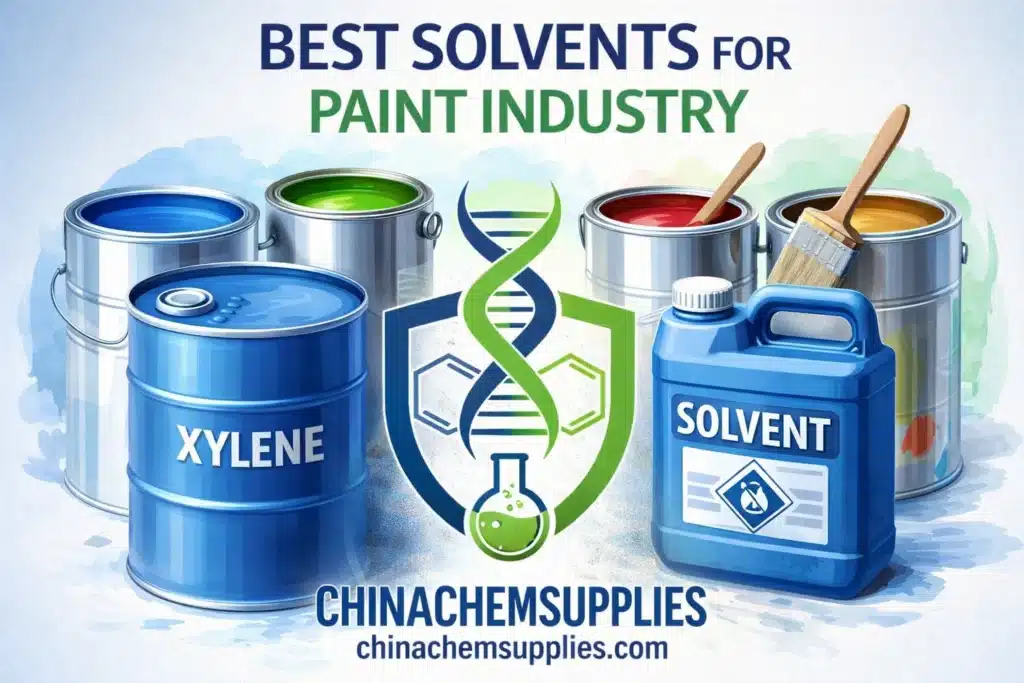
Best solvents for paint industry

In the paint and coatings industry, choosing the right solvent is not just a technical decision—it directly impacts finish quality, drying time, cost efficiency, and overall product performance.

Whether you’re manufacturing paints, working in construction, or handling industrial coatings, selecting the best solvent for paint industry applications is critical.

In this guide, we break down the top-performing solvents, compare their strengths, and help you choose the right one for your application.

What Makes a Good Paint Solvent?

Before selecting a solvent, you need to understand the key performance criteria:

  • Solvency power – ability to dissolve resins and pigments
  • Evaporation rate – controls drying time
  • Compatibility – with coatings and substrates
  • Cost efficiency – critical for bulk buyers
  • Safety & regulations – compliance requirements

👉 More than 50% of solvents are used in paints and coatings, highlighting their critical role in the industry 

Top Solvents Used in the Paint Industry

1. Xylene – Best for Heavy-Duty Coatings

Xylene is one of the most widely used solvents in industrial coatings due to its high solvency power and controlled evaporation rate.

Key Advantages:

  • Dissolves heavy resins and polymers
  • Ideal for epoxy, enamel, and industrial coatings
  • Provides smooth finish and better leveling

👉 Xylene is commonly used as a thinner in paints, varnishes, and coatings due to its strong ability to dissolve resins and pigments 

Best Use Cases:

  • Automotive coatings
  • Marine paints
  • Industrial machinery coatings

👉 Recommended product: buy xylene (strong fit for industrial buyers)

2. Toluene – Best for Fast-Drying Applications

Toluene is a highly effective, fast-evaporating solvent used in paints where quick drying is essential.

Key Advantages:

  • Rapid evaporation → faster drying time
  • Excellent for spray paints and primers
  • Strong solvency for many coatings

👉 Toluene is widely used in paints because it helps coatings dry quickly and provides a smooth finish 

Best Use Cases:

  • Spray coatings
  • Quick production lines
  • Adhesives and inks

👉 Recommended product: Buy industrial grade toluene

3. Xylene vs Toluene

FeatureXyleneToluene
Solvency PowerStrong (heavy coatings)Strong (light-medium coatings)
Evaporation RateSlowFast
Finish QualitySmooth levelingQuick drying
Best UseThick coatingsThin coatings
CostSlightly higherSlightly lower

👉 Xylene provides better performance for thick coatings, while toluene is ideal for speed and productivity

4. Other Common Paint Solvents

While xylene and toluene dominate industrial applications, other solvents are used depending on formulation:

Mineral Spirits
  • General-purpose thinner
  • Lower solvency power
Acetone
  • Very fast evaporation
  • Used for cleaning and surface prep
Solvent Naphtha
  • Used in industrial coatings
  • Adjustable evaporation properties 

How to Choose the Best Solvent for Your Application

Choose Xylene if you need:

  • Strong solvency
  • Thick or high-performance coatings
  • Smooth finish

Choose Toluene if you need:

  • Fast drying
  • High production speed
  • Spray applications

Key Buying Factors for Industrial Solvents

Before purchasing, consider:

  • Purity (≥99%) – ensures consistent performance
  • Bulk pricing (per ton) – reduces cost
  • Reliable supplier – avoids quality fluctuations
  • Compliance (MSDS, COA) – ensures safety

Industry Trends: Shift Toward Safer Solvents

Due to environmental and safety regulations, many manufacturers are:

  • Reducing VOC emissions
  • Exploring alternative solvents
  • Improving formulation efficiency 

👉 However, xylene and toluene remain essential due to their unmatched performance.

Why Xylene and Toluene Dominate the Paint Industry

Despite alternatives, these two solvents remain industry standards because they offer:

  • Proven performance
  • Cost efficiency
  • Wide compatibility
  • Strong global supply

👉 This makes them the top choice for industrial buyers worldwide

Where to Buy High-Quality Paint Solvents

If you’re sourcing solvents for industrial use, quality and consistency are critical.

👉 Explore:

  • High-purity xylene for sale (ideal for coatings)
  • Reliable industrial-grade toluene (ideal for fast drying)

At ChinaChemSupplies.com, you get:

  • Competitive bulk pricing
  • Global shipping
  • Consistent industrial-grade quality

Conclusion: Best Solvent for Paint Industry

There is no one-size-fits-all solvent.

👉 The best choice depends on your application:

  • Xylene → Best for strength, durability, and finish
  • Toluene → Best for speed and efficiency

By selecting the right solvent, you can improve coating quality, reduce costs, and increase productivity.

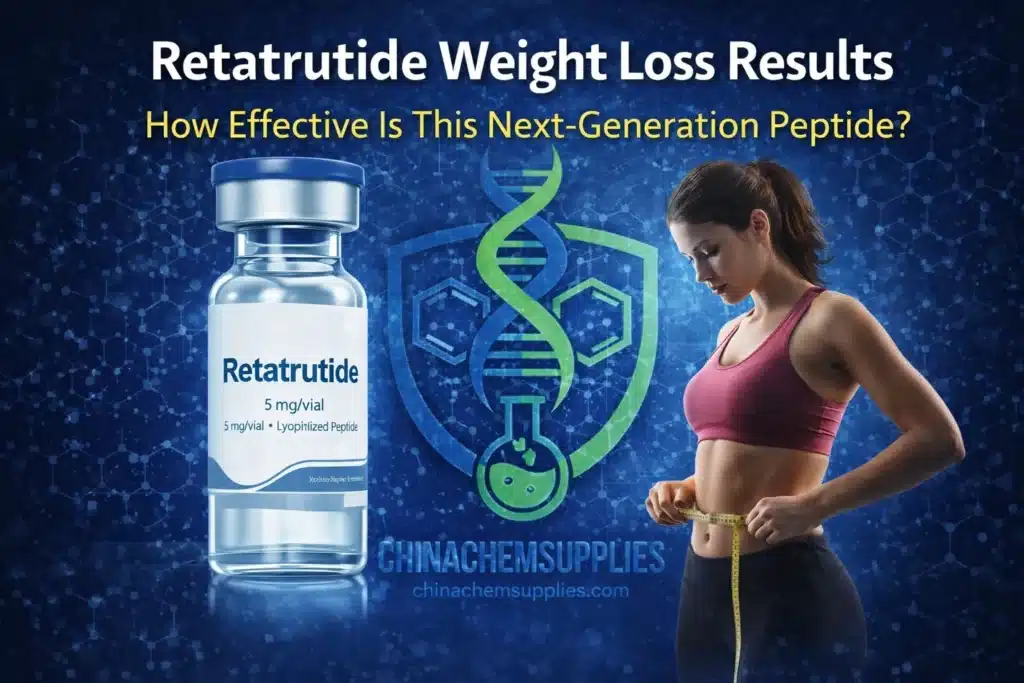
Retatrutide Weight Loss Results: How Effective Is This Next-Generation Peptide?

Retatrutide weight loss results

The search for effective weight management solutions has led to breakthrough innovations in metabolic science. Among the most promising is Retatrutide, a next-generation peptide gaining attention for its remarkable weight loss results in clinical research. buy retatrutide online

But how effective is it really? And what makes it different from other weight loss compounds?

In this comprehensive guide, we explore Retatrutide weight loss results, how it works, what studies show, and what users and researchers need to know.

What is Retatrutide?

Retatrutide is a triple receptor agonist peptide designed to target three key metabolic pathways:

  • GLP-1 (appetite control)
  • GIP (insulin sensitivity)
  • Glucagon (fat metabolism and energy expenditure)

👉 This multi-action approach is what sets Retatrutide apart from traditional weight loss peptides.

Why Retatrutide is Generating Buzz

Unlike older compounds that focus on a single pathway, Retatrutide works across multiple systems simultaneously, leading to:

  • Reduced appetite
  • Increased calorie burning
  • Improved metabolic efficiency

👉 This combination is believed to produce more significant and sustained weight loss results.

Retatrutide Weight Loss Results (Clinical Insights)

Clinical research has shown impressive outcomes compared to traditional treatments.

Key Findings from Studies

  • Participants experienced significant body weight reduction over several months
  • Higher doses correlated with greater fat loss
  • Improvements observed in metabolic health markers

In some advanced trials, subjects achieved:

  • Up to ~20%+ body weight reduction over extended periods
  • Noticeable decreases in visceral fat
  • Enhanced glucose control

👉 These Retatrutide weight loss results position it among the most powerful metabolic peptides under research today.

How Retatrutide Promotes Weight Loss

1. Appetite Suppression

Retatrutide activates GLP-1 receptors, which:

  • Reduce hunger signals
  • Increase satiety

2. Increased Fat Burning

Through glucagon receptor activation:

  • Boosts metabolic rate
  • Encourages fat oxidation

3. Improved Insulin Function

GIP receptor activity helps:

  • Stabilize blood sugar
  • Improve nutrient utilization

4. Calorie Intake Reduction

Users naturally consume fewer calories without extreme dieting.

Retatrutide vs Other Weight Loss Peptides

Feature Retatrutide GLP-1 Only (e.g., Semaglutide)
Mechanism Triple-action Single-action
Weight Loss Potential Very High Moderate–High
Fat Burning Enhanced Limited
Appetite Control Strong Strong

👉 Retatrutide’s multi-receptor approach provides a clear advantage in overall weight loss results.

Expected Timeline of Results

While results vary, a general pattern observed in studies:

Weeks 1–4
  • Reduced appetite
  • Early weight changes
Weeks 4–12
  • Noticeable fat loss
  • Improved energy balance
3–6 Months
  • Significant weight reduction
  • Visible body composition changes

👉 Consistency is key to achieving optimal Retatrutide weight loss results.

Factors That Influence Results

Not everyone experiences identical outcomes. Key variables include:

  • Dosage and protocol
  • Diet and caloric intake
  • Physical activity level
  • Metabolic health

👉 Combining Retatrutide with a structured lifestyle plan enhances results significantly.

Potential Side Effects to Consider

Like all metabolic peptides, Retatrutide may have side effects:

Common
  • Nausea
  • Reduced appetite (expected effect)
  • Mild gastrointestinal discomfort
Less Common
  • Fatigue
  • Digestive changes

👉 Most effects are dose-dependent and manageable.

Is Retatrutide the Future of Weight Loss?

Based on current research, Retatrutide represents a major advancement in metabolic science.

Its ability to:

  • Target multiple pathways
  • Deliver significant weight loss
  • Improve metabolic health

…makes it one of the most promising compounds under development.

Who is Retatrutide Suitable For?

Retatrutide is primarily studied for:

  • Obesity research
  • Metabolic disorders
  • Advanced weight management studies

👉 It is intended for research and professional use, not general consumer application.

Where to Buy Retatrutide for Research

If you’re looking for high-purity Retatrutide, sourcing from a reliable supplier is essential.

Look for:

  • ≥98% purity (HPLC tested)
  • Verified lab results
  • Proper storage and shipping conditions

👉 At ChinaChemSupplies.com, we provide premium Retatrutide for sale with:

  • Competitive pricing
  • Bulk supply options
  • Global delivery

Conclusion: Retatrutide Weight Loss Results Explained

Retatrutide is redefining expectations in weight management. With its triple-action mechanism, it delivers:

  • Strong appetite suppression
  • Increased fat metabolism
  • Significant weight reduction

👉 For researchers and professionals, it represents a powerful tool in metabolic studies.

Is Retatrutide better than GLP-1 peptides?

Due to its triple-action mechanism, Retatrutide may offer enhanced weight loss results compared to single-pathway peptides.

How fast does Retatrutide work?

Initial effects such as appetite suppression may occur within weeks, while major weight loss develops over several months.


How effective is Retatrutide for weight loss?

Retatrutide has shown significant weight loss results, with some studies reporting up to 20%+ body weight reduction over time.

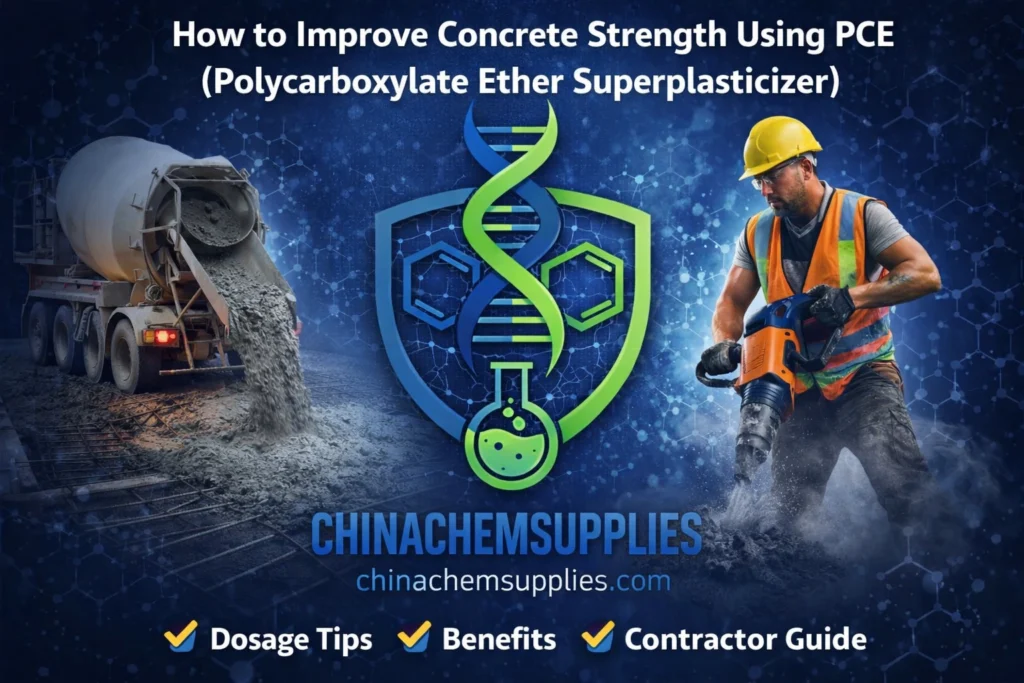
How to Improve Concrete Strength Using PCE (Polycarboxylate Ether Superplasticizer)

how to improve concrete strength

Concrete strength is one of the most critical factors in construction, directly impacting structural durability, load-bearing capacity, and long-term performance. However, many contractors struggle to balance workability and strength—especially in demanding projects.

The solution? Polycarboxylate superplasticizer.

In this guide, you’ll learn how to improve concrete strength using PCE, along with practical tips you can apply immediately on-site.

What is PCE and Why It Matters in Concrete Strength

Polycarboxylate Ether (PCE) is a high-range water-reducing admixture designed to disperse cement particles efficiently. Unlike older additives, PCE uses a steric hindrance mechanism, which improves particle separation at a microscopic level.

👉 The result:

  • Lower water usage
  • Better cement hydration
  • Higher compressive strength

Why Water Reduction is the Key to Stronger Concrete

Concrete strength is largely determined by the water-to-cement (w/c) ratio.

  • High water content = weaker concrete
  • Low water content = stronger concrete

However, reducing water traditionally makes concrete harder to work with. This is where PCE becomes essential.

👉 PCE allows you to reduce water by up to 25–30% without sacrificing workability.

Key Benefits of Using PCE for Contractors

1. Increased Compressive Strength

By lowering the water-cement ratio, PCE significantly improves early and long-term strength.

2. Improved Workability

Concrete remains fluid and easy to place, even with reduced water content.

3. Better Slump Retention

PCE maintains consistency over time, reducing the need for re-tempering on-site.

4. Reduced Cracking & Shrinkage

Less water means less evaporation and shrinkage, resulting in fewer cracks.

5. Faster Project Completion

Improved hydration leads to faster strength gain, allowing quicker formwork removal.

How to Improve Concrete Strength (Step-by-Step) Using PCE

Step 1: Optimize Your Mix Design

Start with a proper mix design:

  • Reduce water content
  • Maintain required cement ratio
  • Adjust aggregates accordingly

👉 PCE works best when integrated into a well-balanced mix design.

Step 2: Add the Correct Dosage of PCE

Typical dosage:

  • 0.2% – 0.3% of cement weight

💡 Always perform trial mixes to determine the ideal dosage for your materials.

Step 3: Mix Properly

  • Add PCE during mixing or after initial water addition
  • Ensure uniform distribution
  • Avoid overdosing, which may cause segregation

Step 4: Monitor Slump & Consistency

Check:

  • Flowability
  • Slump retention over time
  • Workability during placement

Step 5: Control Curing Conditions

Even with PCE, proper curing is essential:

  • Maintain moisture
  • Avoid rapid drying
  • Use curing compounds if needed

Common Mistakes Contractors Should Avoid

❌ Overdosing PCE

  • Can lead to segregation or delayed setting

❌ Ignoring Trial Mixes

  • Every cement type reacts differently

❌ Poor Mixing Practices

  • Uneven distribution reduces effectiveness

❌ Skipping Curing

  • Even the best mix fails without proper curing

PCE vs Traditional Superplasticizers

FeaturePCENaphthalene (SNF)Lignosulfonate
Water Reduction25–30%15–20%10–15%
WorkabilityExcellentModerateLow
Strength GainHighMediumLow
DosageLowMediumHigh

👉 Conclusion: PCE delivers superior performance in modern construction.

Real-World Applications of PCE

Contractors use PCE in:

  • High-rise buildings
  • Bridges and infrastructure
  • Precast concrete
  • Self-compacting concrete (SCC)
  • Ready-mix concrete

👉 Especially useful where high strength and flowability are both required.

Pro Tips to Maximize Concrete Strength with PCE

  • Use high-quality cement for better compatibility
  • Combine with proper aggregate grading
  • Avoid excess water on-site
  • Store PCE properly to maintain performance
  • Work with a reliable supplier for consistent quality

Why Contractors Are Switching to PCE

Modern construction demands:

  • Higher strength
  • Faster timelines
  • Better durability

PCE meets all these requirements, making it the preferred choice for professional contractors worldwide.

Where to Buy High-Quality PCE Powder

To get the best results, sourcing matters.

Look for:

  • ≥95% solid content
  • Consistent quality
  • Technical support
  • Bulk pricing options

👉 At ChinaChemSupplies.com, we supply premium PCE powder designed for high-performance concrete applications, with reliable global delivery.

Conclusion

Improving concrete strength doesn’t require complicated changes—just smarter materials.

By using Polycarboxylate Ether (PCE), you can:

  • Reduce water content
  • Improve workability
  • Increase compressive strength
  • Deliver higher-quality projects

👉 For contractors, this means stronger structures, fewer defects, and better project outcomes.

Best Time to Take IGF-1 LR3: Dosage, Timing & Side Effects (Complete Guide)

best time to take IGF-1 LR3

When it comes to maximizing the benefits of IGF-1 LR3, understanding the best time to take IGF-1 LR3, the correct IGF-1 LR3 dosage, and potential side effects is essential. Whether you are a researcher, clinic, or performance-focused user, optimizing these factors can significantly impact your results.

In this comprehensive guide, we break down everything you need to know to use IGF-1 LR3 effectively, safely, and strategically.

What is IGF-1 LR3 and Why Timing Matters

IGF-1 LR3 (Insulin-Like Growth Factor-1 Long R3) is a modified version of IGF-1 designed for enhanced potency and extended half-life (20–30 hours). Because of this prolonged activity, timing plays a crucial role in how the compound interacts with your body’s natural rhythms.

Unlike short-acting peptides, IGF-1 LR3 provides sustained anabolic and metabolic effects, meaning your dosing schedule can either enhance or limit its effectiveness.

Best Time to Take IGF-1 LR3 (Maximize Results)

Choosing the best time to take IGF-1 LR3 depends on your goals. However, three primary timing strategies stand out:

1. Post-Workout (Most Effective for Muscle Growth)

Why it works:
After exercise, your muscles are highly sensitive to nutrients and growth signals. Taking IGF-1 LR3 post-workout enhances:

  • Muscle protein synthesis
  • Nutrient uptake
  • Recovery speed

Best for:

  • Body composition improvement
  • Lean muscle gain
  • Recovery optimization

👉 Verdict: This is widely considered the best time to take IGF-1 LR3 for performance-focused outcomes.

2. Morning (Metabolic Activation)

Why it works:
Taking IGF-1 LR3 in the morning aligns with your body’s metabolic cycle, helping:

  • Boost energy utilization
  • Enhance nutrient partitioning
  • Support daily anabolic activity

Best for:

  • Fat loss support
  • General metabolic improvement

3. Before Bed (Recovery & Regeneration)

Why it works:
Nighttime is when your body naturally repairs tissues. IGF-1 LR3 may:

  • Support cellular repair
  • Enhance overnight recovery
  • Complement natural hormone cycles

Best for:

  • Recovery protocols
  • Regenerative research applications

Pro Tip

While post-workout remains the most popular, many advanced users rotate between morning and post-workout dosing for balanced results.

IGF-1 LR3 Dosage Guide (Beginner to Advanced)

Determining the correct IGF-1 LR3 dosage is critical for both effectiveness and safety.

Standard IGF-1 LR3 Dosage

LevelDosage
Beginner20–30 mcg per day
Intermediate30–50 mcg per day
Advanced50–100 mcg per day

Administration Methods

  • Subcutaneous injection (most common)
  • Intramuscular injection (targeted applications)

Frequency

  • Typically once daily due to long half-life
  • Some protocols split doses for precision

Cycle Length

  • 4–6 weeks recommended
  • Followed by a break to prevent desensitization

⚠️ Important Note

Start at the lowest effective IGF-1 LR3 dosage and gradually increase based on response.

IGF-1 LR3 Side Effects (What You Need to Know)

Although IGF-1 LR3 is highly effective, understanding potential IGF-1 LR3 side effects is crucial.

Common Side Effects

  • Hypoglycemia (low blood sugar)
  • Headaches
  • Mild water retention
  • Joint discomfort

Less Common but Notable

  • Numbness or tingling sensations
  • Fatigue (in some users)

Long-Term Considerations

  • Excessive cell proliferation risks
  • Hormonal imbalance if misused
  • Improper dosing complications

How to Minimize Side Effects

  • Use proper dosing protocols
  • Monitor blood sugar levels
  • Avoid excessive or prolonged cycles
  • Maintain proper nutrition

👉 Responsible use significantly reduces the likelihood of adverse effects.

Why IGF-1 LR3 Timing + Dosage Matters

To get the best results, you must combine:

  • The best time to take IGF-1 LR3
  • The correct IGF-1 LR3 dosage
  • Awareness of IGF-1 LR3 side effects

When these three factors align, users typically experience:

  • Improved muscle growth
  • Faster recovery
  • Better metabolic efficiency
IGF-1 LR3 Stack & Optimization Tips

For advanced protocols, IGF-1 LR3 is sometimes combined with:

  • Growth hormone secretagogues (GHRPs)
  • Nutritional optimization strategies
  • Structured training programs

👉 However, stacking should always be done with professional oversight.

Where to Buy IGF-1 LR3 Safely

If you’re searching for high-quality IGF-1 LR3, it’s essential to choose a supplier that offers:

  • ≥98% purity (HPLC tested)
  • GMP-certified manufacturing
  • Third-party lab verification
  • Cold-chain shipping

At ChinaChemSupplies.com, we provide premium IGF-1 LR3 for research and professional use, ensuring:

  • Consistent quality
  • Competitive pricing
  • Reliable global delivery

Top 10 Industrial Chemicals in High Demand in 2026 (And Their Prices Per Ton)

China Chemical Supplier

The global industrial sector is evolving rapidly, and with it comes a growing demand for high-quality raw materials. In 2026, companies across mining, manufacturing, water treatment, and construction are actively searching for industrial chemicals price per ton, reliable chemicals suppliers worldwide, and trusted sources for bulk chemicals for sale.

Whether you are a procurement manager, distributor, or manufacturer, understanding which chemicals are in demand—and how much they cost—can give you a serious competitive advantage.

In this guide, we explore the top 10 industrial chemicals dominating global markets, their applications, pricing trends, and where to source them reliably.

👉 Browse all products here: https://chinachemsupplies.com/shop

Why Industrial Chemicals Demand Is Rising in 2026

Before diving into the list, it’s important to understand what’s driving demand.

First, global industrialization continues to expand, especially in emerging markets. As a result, industries such as mining, water treatment, and construction require consistent chemical supply.

Additionally, stricter environmental regulations have increased the need for purification chemicals like activated carbon and acids.

Moreover, supply chain disruptions in recent years have pushed buyers to seek reliable chemicals suppliers worldwide instead of depending on local vendors.

👉 Therefore, sourcing from a trusted global supplier is no longer optional—it’s essential.

Top 10 Industrial Chemicals in High Demand (2026)

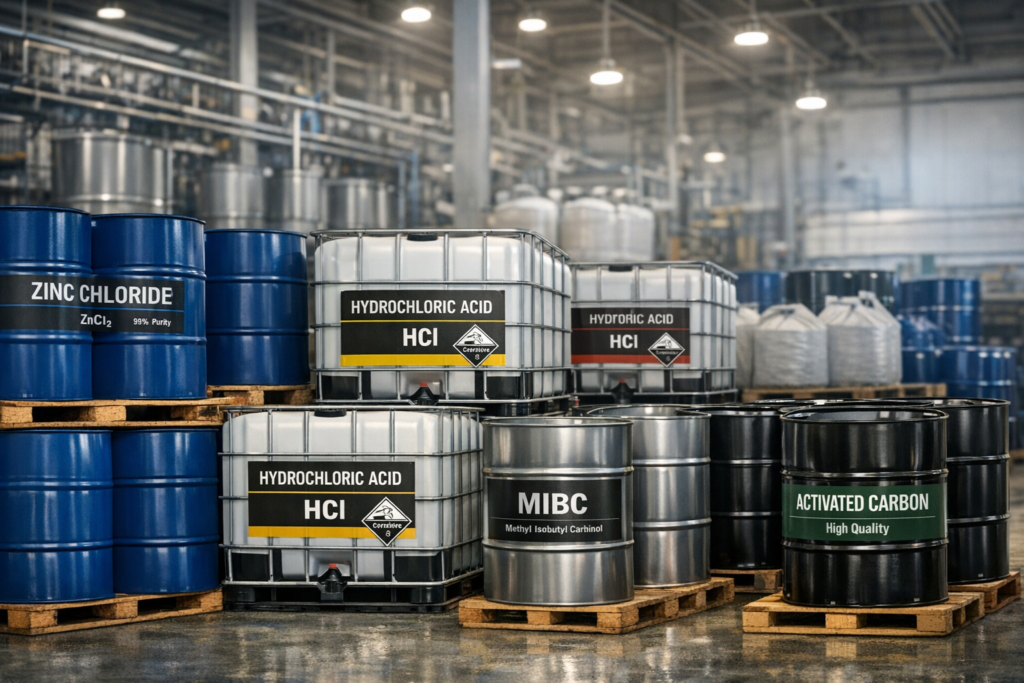
1. Zinc Chloride

Zinc Chloride remains one of the most versatile and high-demand industrial chemicals. It is widely used in galvanizing, battery production, and chemical synthesis.

Because of its strong hygroscopic properties, it is especially valuable in textile and metallurgical processes. Furthermore, industries prefer it due to its high solubility and efficiency.

💰 Industrial chemicals price per ton: $700 – $1,800

👉 Buy now: Zinc Chloride for sale

2. Hydrochloric Acid

Hydrochloric acid is a fundamental chemical used across multiple industries. It plays a key role in steel pickling, pH regulation, and chemical processing.

In addition, water treatment facilities rely heavily on hydrochloric acid for purification processes.

💰 Price per ton: $100 – $300

👉 Bulk chemicals for sale: Buy Hydrochloric Acid

3. Methyl Isobutyl Carbinol (MIBC)

MIBC is a critical frothing agent in mining operations. It significantly improves mineral recovery rates during flotation processes.

Moreover, it is also used in paints, coatings, and solvents, making it highly versatile.

💰 Price per ton: $2,700 – $3,000

👉 Order here: Methyl Isobutyl Carbinol for sale

4. Activated Carbon

Activated carbon is essential for purification and filtration. It is widely used in water treatment, gold mining, and air purification systems.

Due to increasing environmental regulations, demand for activated carbon continues to grow rapidly.

💰 Price per ton: $800 – $2,500

👉 Shop now: Bulk Activated Charcoal for sale

5. Epoxy Resin 90% UVR-6110

It serves as a chemical reagent as well as an organic intermediate for auxiliaries, plasticizers, and coatings.

💰 Price per ton: $1800 – $2700

👉 Buy in bulk: Epoxy Resin 90% UVR-6110

6. Calcium Chloride

Calcium chloride is widely used for de-icing, dust control, and oil drilling fluids. Its ability to absorb moisture makes it highly effective in industrial environments.

💰 Price per ton: $150 – $400

👉 Bulk supply: Calcium Chloride

7. Sodium Cyanide

Sodium cyanide is a high-value chemical used primarily in gold mining. It is essential for efficient gold extraction processes.

Because of its specialized application, it remains one of the most in-demand chemicals in mining.

💰 Price per ton: $2,000 – $3,500

👉 Secure supply: https://chinachemsupplies.com/shop

8. Sulfuric Acid

Sulfuric acid is one of the most produced chemicals globally. It is used in fertilizers, petroleum refining, and chemical manufacturing.

Its demand continues to grow due to its role in agriculture and industrial production.

💰 Price per ton: $90 – $250

👉 Order today: https://chinachemsupplies.com/shop

9. Sodium Hydroxide (Caustic Soda)

Sodium hydroxide is widely used in soap production, paper manufacturing, and water treatment.

It is a critical chemical in many industrial processes due to its strong alkaline properties.

💰 Price per ton: $400 – $800

👉 Buy now: https://chinachemsupplies.com/shop

10. Phosphoric Acid

Phosphoric acid is essential in fertilizer production and food-grade applications.

As global agriculture demand increases, so does the need for this chemical.

💰 Price per ton: $700 – $1,200

👉 Bulk chemicals for sale: https://chinachemsupplies.com/shop

Industrial Chemicals Price Per Ton – Market Insights

Understanding pricing trends is critical when sourcing chemicals.

Prices fluctuate based on:

  • Raw material availability
  • Global demand
  • Transportation costs
  • Geopolitical factors

For example, mining chemicals like MIBC and sodium cyanide tend to have higher prices due to specialized applications. On the other hand, widely produced chemicals like sulfuric acid remain relatively affordable.

👉 Therefore, buyers should always compare suppliers and request updated quotations.

🌍 How to Choose the Right Chemical Supplier

Choosing among chemicals suppliers worldwide can be challenging. However, focusing on a few key factors will help:

1. Product Quality

Always request:

  • COA (Certificate of Analysis)
  • MSDS (Material Safety Data Sheet)

2. Pricing Transparency

Look for suppliers offering clear industrial chemicals price per ton.

3. Global Shipping Capability

A good supplier should provide:

  • FOB / CIF shipping options
  • Fast delivery timelines

4. Bulk Supply Capacity

Ensure the supplier can handle large orders consistently.

👉 China Chem Supplies meets all these requirements, making it a reliable partner for global buyers.

🚢 Benefits of Buying Bulk Chemicals for Sale

Buying in bulk offers several advantages:

  • Lower cost per ton
  • Consistent supply
  • Reduced logistics costs
  • Better negotiation power

In addition, bulk purchasing ensures your operations run smoothly without interruptions.

💡 Pro Tips to Reduce Chemical Procurement Costs

  • Always negotiate bulk discounts
  • Order during low-demand periods
  • Build long-term supplier relationships
  • Compare multiple quotes before purchasing

🔗 Where to Buy Industrial Chemicals in 2026

If you are searching for bulk chemicals for sale, sourcing from a trusted platform is essential.

👉 Explore a wide range of industrial chemicals here:
https://chinachemsupplies.com/shop

📌 Final Thoughts

The industrial chemicals market in 2026 is more competitive than ever. Companies that understand demand trends and pricing will gain a significant advantage.

From Zinc Chloride to MIBC, the chemicals listed above are essential for global industries. By sourcing from reliable chemicals suppliers worldwide, businesses can ensure quality, consistency, and cost-efficiency.

👉 Whether you are buying for manufacturing, mining, or distribution, choosing the right supplier is the key to success.

❓ FAQs (SEO Boost Section)

What is the average industrial chemicals price per ton?

Prices vary widely depending on the chemical, ranging from $90 to over $3,000 per ton.

Where can I find bulk chemicals for sale?

You can find reliable supply at:
https://chinachemsupplies.com/shop

How do I choose the best chemical supplier?

Focus on quality, pricing, documentation, and global shipping capability.

Which industrial chemicals are most in demand?

Top chemicals include zinc chloride, hydrochloric acid, MIBC, activated carbon, and sodium hydroxide.
0
0
Your Cart
Your cart is emptyReturn to Shop